The Pavement Is Shared: A Practical Guide to A-Boards Outside UK Venues
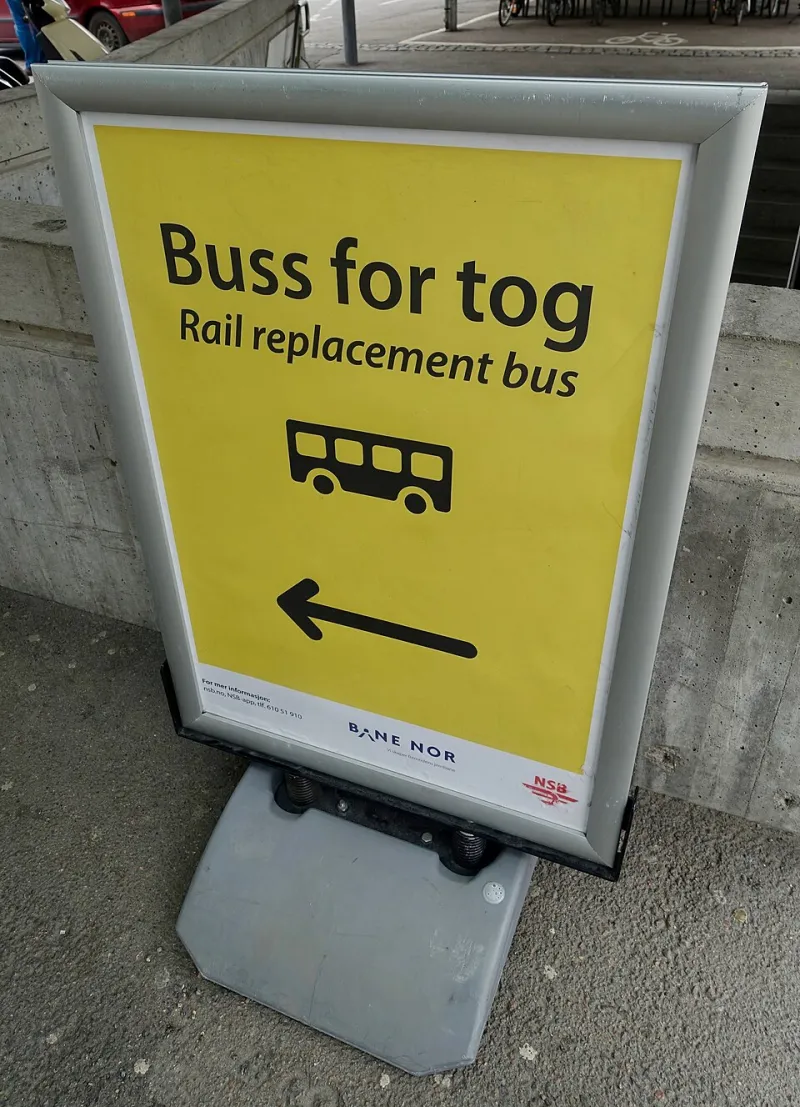
Photo: Wolfmann, CC BY-SA 4.0, via Wikimedia Commons
A-boards are tempting. They are cheap, visible and flexible. You can change the message on Tuesday and have it on the pavement by Wednesday. But the pavement outside a UK venue is not a private front garden. It is shared space, often narrow, frequently windy and governed by rules that vary from council to council.
That does not mean avoid pavement signs. It means treat them as a piece of street furniture with a job to do, not as an afterthought. Here is a practical field guide for marketers putting A-boards and forecourt signs outside shops, cafés, pubs, salons and venues.
1. Measure the clear route before you fall in love with the artwork
The first question is not what the sign says. It is how much pavement you have. Measure the clear width between the building line and the kerb, then subtract space for bins, lamp posts, cycle racks, bus stops and anything else fixed. Aim to leave a comfortable pedestrian route — 1.5 metres clear where possible, and never squeeze below the local council’s guidance.
Accessibility matters here. A sign that blocks a dropped kerb, tactile paving, a crossing point or a bus stop is a problem even if it looks neat. Wheelchair users, mobility scooter users, people with pushchairs, guide dog users and delivery workers all need a route that does not require a slalom. A-board placement should feel obvious to someone who is not studying the pavement.
Also check door swings, fire exits and queuing zones. A sign that forces people into the road is not a clever marketing tactic. It is a liability.
2. Weight the base properly — then check it again
A lightweight A-board with a hollow plastic base is not stable until you fill it. Water ballast is common, sand is heavier, and some bases are designed for both. Fill it as instructed, check the weight, and make sure staff know that a half-filled base is not good enough on a gusty day.
Look for a locking strut or brace that keeps the two panels rigid. Rubber feet help on smooth paving but will not save a tall, narrow sign in strong wind. If the sign wobbles when you brush past it, it will move more when a delivery trolley clips it or a bus creates a gust.
Think about the base footprint as well as the sign face. A large panel on a small base is a sail. A low, wide base with a modest panel is usually the safer choice outside a busy entrance.
3. Treat UK wind as a design condition, not a surprise
Pavement signs do not need a wind tunnel test, but they do need a reality check. A-boards topple. When they do, they can hit pedestrians, scratch cars, block the pavement or end up in the road. On exposed corners, seafronts, high streets with funnel effects and forecourts, wind performance should shape the purchase.
Choose a sign with a stable base and a panel that does not catch too much air. Avoid lightweight fabric panels on pavement signs unless the frame is designed for them. If the venue is very exposed, consider a weighted base, a lower profile sign, or no pavement sign at all on bad-weather days. Check the forecast before a campaign launch. In winter, bring signs in overnight rather than leaving them to rattle around.
Do not tether a sign to street furniture unless the council explicitly allows it. A strap around a lamp post can create a trip hazard and may breach local conditions.
4. Ask the council the boring questions early
Pavement licensing is local. In England, many councils use pavement licences under the Business and Planning Act 2020, but conditions, fees and enforcement vary. Scotland, Wales and Northern Ireland have their own arrangements. Some councils are relaxed about a single A-board; others require an application, public liability insurance, specific dimensions and a clear pedestrian route. Some conservation areas and listed buildings have extra restrictions.
Before the campaign goes live, ask:
- Do we need a pavement licence or permit for an A-board at this address?
- Is there a fee, and how long does approval take?
- What maximum sign dimensions and base footprint are allowed?
- How much clear pavement must remain?
- What public liability insurance cover is required?
- Are there time restrictions, such as removing signs after dark?
- Are there restrictions on materials, weights or anchoring?
- Does the building’s listed status or conservation area affect signage?
If the venue is in a retail park, station forecourt or private estate, ask the landlord instead. Permission from the landlord is not the same as permission from the highway authority. Keep the approval in writing and brief the staff who put the sign out.
5. Place it near the entrance, not in the middle of the pavement
The best position is usually close to the building line, to one side of the entrance, leaving the main pedestrian route clear. Do not put it directly in front of the door, where it blocks the swing or forces people to step around it. Do not place it at the corner of a narrow pavement where two flows of people meet.
For forecourt signs, keep vehicle sightlines clear and keep the sign out of fuel hose zones, delivery routes and pedestrian crossing points. For pubs and restaurants, think about queues, smoking areas and pavement tables. A sign that looks fine at 10am may be an obstacle at 6pm.
View the placement through the eyes of someone with a pushchair or a wheelchair. If they have to stop, back up or move into the road, move the sign.
6. Keep the message readable from a couple of metres
Pavement signs are not posters. People see them in motion, often from two or three metres away. Keep the message short, use strong contrast and avoid cramming on a price list. A chalkboard with six lines of tiny text is decoration, not communication. A single offer or a clear directional cue works harder.
Laminate or use a weather-resistant panel. Matte surfaces reduce glare in low sun; gloss can be hard to read from an angle. If you use a QR code, give people a short URL as well — not everyone wants to stop and scan on a busy pavement.
7. Run a five-minute pre-launch check
Before the sign goes out, confirm the pavement measurement, the council or landlord permission, the insurance, the base weight, the weather forecast and the staff briefing. Take a photo of the sign in place. Then check it again after a week. Campaigns change, pavements get busier and bases get moved. A sign that was fine on day one can become a problem by Friday.
A-boards work best when they are treated as part of the street, not an exception to it. Get the footprint, weight and permission right, and the sign can do its job without making someone else’s day harder.